Category Archives: Eco-Sense Updates

Lessons From My Ancestors – by Ann Baird


The long Winter, By Laura Ingalls Wilder

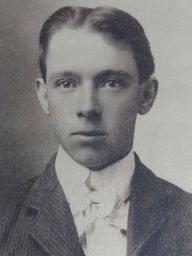
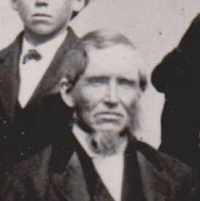
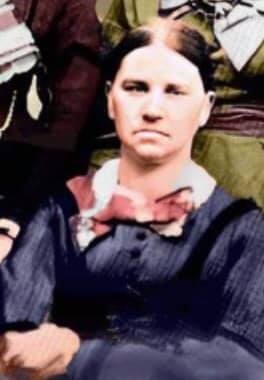
My ancestors are the Wilders. I am a 5th generation ancestor of James and Angeline Wilder. Laura’s book, “Farmer Boy”, is one year in the life of my (Uncle) Almanzo Wilder as a young boy, and it provides insights and lessons that impact my home, the Highlands. The homestead in “Farmer Boy”, described in detail, was created by my Grandma’s, Great Grandparents.

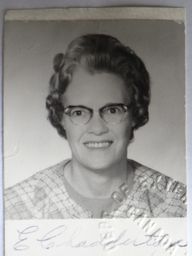
Aside from this being super cool for me to learn about, there are similarities in my ancestors lives to my own life here in the Highlands with my husband Gord and our own Eco-Sense homestead. But that’s not what this post is about today. Maybe in a future post I will write about that.

Back to the book, “The Long Winter”. It is about how Almanzo Wilder saved the town from the incredibly cold and long winter. He just about froze to death making the trip by horse drawn cart to find some grain for the town. It’s quite the book describing how the town came together and shared what little food there was while burning straw in their uninsulated wood framed houses to keep from freezing.
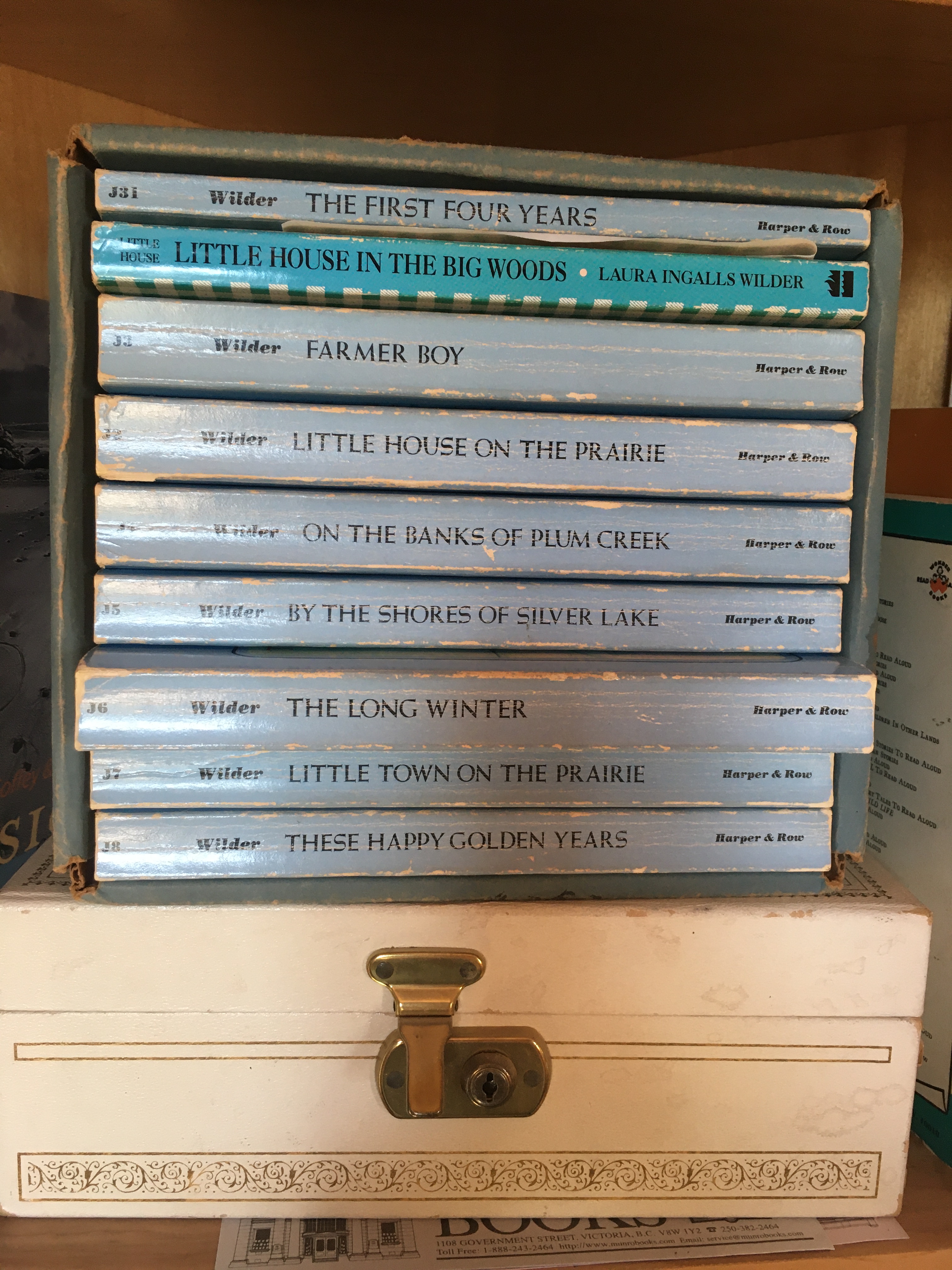
My Little House books, and my Grandmas jewelry box

The main lesson in this book, a true story, was about modern progress and how the people became dependant on the brand new railroad to bring weekly necessities. These town people had all recently moved off the farm and into the new town. They had skills and could have weathered the long cold winter in their farm houses. They knew how to live. But in one or two years had given up that life to live in the town and become fully dependant on the train. They gave up being resilient. It didn’t take much to wipe out the tracks in those days, and so all of a sudden, there was no grain and no coal…and no one except my great uncles Almanzo and older brother Royal, had prepared for winter by stocking wood and grain. Yet Almanzo risked his life to save the town (and his future wife, young Laura Ingalls).

What does this have to do with Highlands?

In 1880, when Laura Ingalls was 14 and living through the worst South Dakota winter ever, Highlands was just starting to be populated by homesteading settlers. Of course, First Nations were a very resilient people with their rich relationship with the land we now call Highlands. It’s a sad colonization history with First Nations and one that I am still learning about. The book, Beautiful Rocks, (written by Highlanders Daphne Allen, Allen Dobb, Bob and Nancy McMinn, and Pattie Whitehouse) is a fantastic read to learn about the History of the Highlands both pre and post settlers.
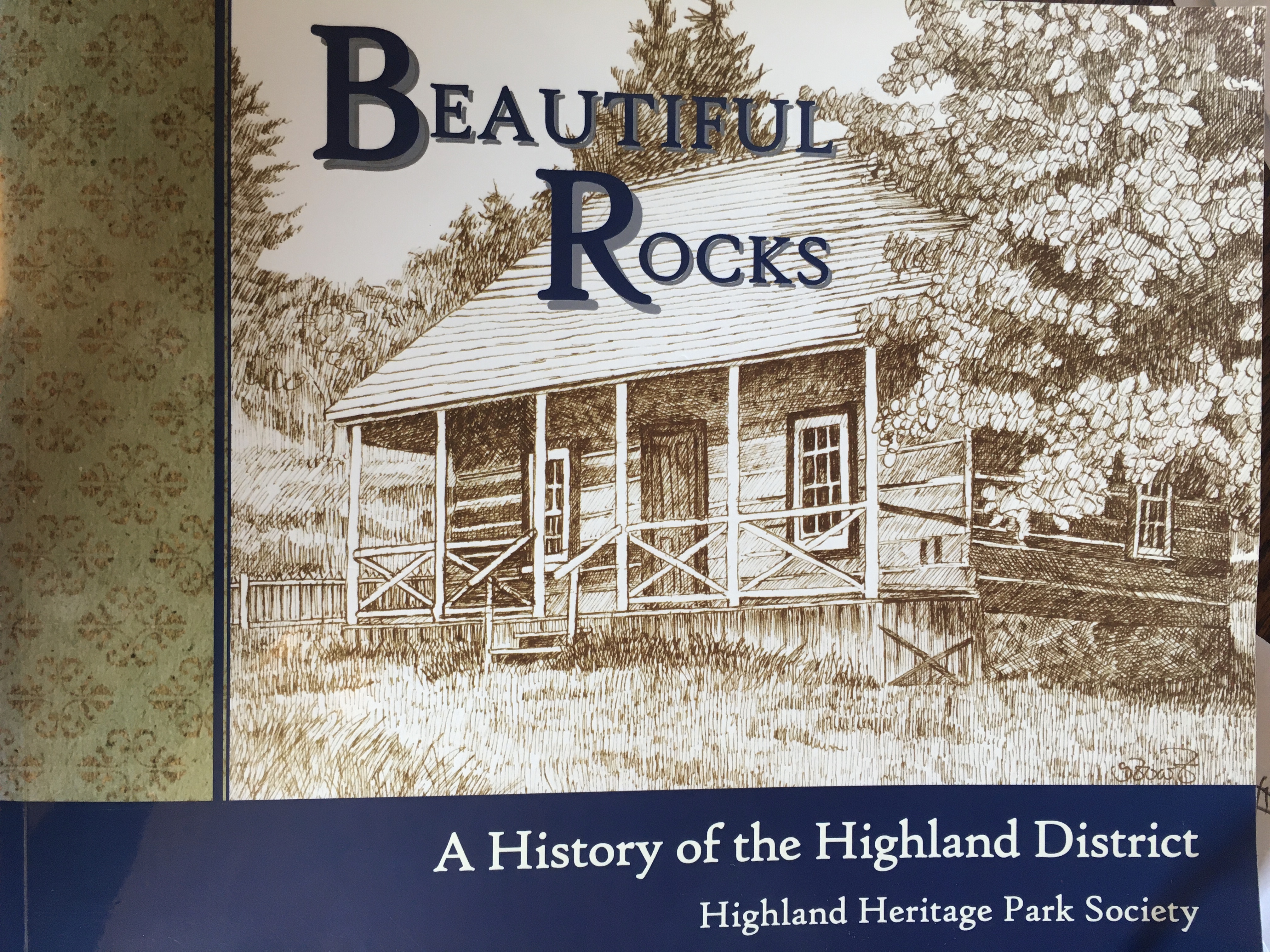
Today in the Highlands we are not dependant on one train for coal and grain and we do not face the harsh South Dakota winters. Technology has changed our world so much in the last 140 years.

Supply chains are long and complex and most of us no longer have the basic life skills of our ancestors. These days we can fly and drive cars, communicate instantaneously on our pocket devices, and have pretty much anything delivered at the touch of a finger. But we are even more vulnerable now. Most of us get our food from the store and electricity from the wall which pumps our water and heats our homes. This seems normal…this is what we have done most or all of our lives. Why would we think this could ever change?

Unfortunately, our reality is changing…one climate event after another. Highlanders for the most part have been spared really abrupt climate impacts so far. But as we just saw this week in Canada’s Maritimes with Hurricane Fiona, our turn will be coming. We are very vulnerable. Reality REALLY sucks.

Highlands’ direct risks include fire, flooding, drought, wind, heat domes, and of course Earthquakes. But if we play these events out globally and think it through locally…especially living on an island, we know that our food supply, all material supply chains, energy (for pumping water, heating, cooling, and transportation), and communications could be knocked out for long periods of time.

Will we learn from our ancestors? Will we hope that one person, our Almanzo will save us?

There is so much that we can do as a community both at the municipal level and at the neighbourhood/family level.

For my part I will continue to volunteer my time in teaching members of the community about growing and preserving food, re-wilding, sharing excess garden plants and produce, and about becoming more resilient just as I have since we arrived in Highlands 17 years ago.
At the council table I will continue to:

  • ensure the community is financially sustainable, by NOT growing.
  • Fund our asset management plans (which includes natural assets),
  • support and fund our excellent volunteer fire Department,
  • continue work on our community emergency plan and implementation
  • Make all council decisions through the Climate Emergency lens of Adaptation, Mitigation, and Resilience to enhance community well being and protect the Highlands from needless growth.

The more we grow, the more we will need to grow…and I’m not talking about vegetables.

If we look after Highlands, Highlands will look after us.

Let’s be prepared and work together.

On Oct 15th, Please vote for me.
I also recommend voting for Gord Baird, Karel Roessingh, Marcie McLean, Rose Stanton, and Leslie Anderson.

Ann Baird, BSc Biology, homesteader and two term councillor, District of Highlands

Literacy


What Does Literacy Have to do With Municipal Elections?

It turns out that literacy has a great deal to do with municipal elections…especially in the Highlands. This is why we have BOTH decided, at the last moment, to put our names forward for re-election as municipal councillors. Yes, we are running again.

Integrated Decision Making – FIVE Capitals – Systems Thinking

In addition to being literate in the basic sense of reading, riting, and rithmetic, there are 5 other ways that are critical for elected officials to be literate. Literacy with the FIVE capitals, each with their own currency, is easy when you live it like we do with our Eco-Sense lifestyle, but full literacy is lacking with most politicians at all levels of government.

Story-Telling and the FIVE Capitals

Repurposed signs. Gord on one side, Ann on the other.

Five years ago we had a nursery customer who turned out to be a City of Colwood staff member – he was an engineer. We gave him a quick tour of the homestead after he picked out his fruit trees. He was amazed at the integrated systems including our lifestyle, food, energy, water, carbon/natural capital and finances. He was so inspired that that he asked to bring the rest of Colwood’s engineering department for a tour. They came for a tour and we spoke about integrated municipal infrastructure.

An hour after the tour the phone rang, and a request was made to bring the Public Works and Parks departments for a tour. In this tour, we discussed integrated asset management planning and management of built and natural infrastructure.

Eco-Sense home and gardens

A day later another request, this time for the Planning department, many whom we knew already, and evolved into integrated land use planning, net-zero zoning, and how to think of multiple capitals from a planning perspective.

The last call was for a tour with Colwood’s council, the CAO, and finance – discussions focused on integrated governance.

The story continued. Colwood Public Works then asked for a workshop to teach them how to construct Ferro Cement concrete curvy beds. Video on building concrete curvy beds.

This image has an empty alt attribute; its file name is painter-trail-j-dodd-1-1.jpg
Painter Trail Artwork

Then Engineering hired us to consult and design a food forest for a new park. This new park integrated stormwater catchment system into a hugelkulture (saving many $100,000’s in built infrastructure). The engineering team employed the concept of watching and observing local high school students make their own pathways through the park, then engaged the trade students to build out the trails for the student’s chosen routes. The culinary students were invited to look after a culinary section of the food plants. First Nations were invited to have a native and healing plant section.

Colwood Staff helped build some of the Ferro Cement Curvy Beds.

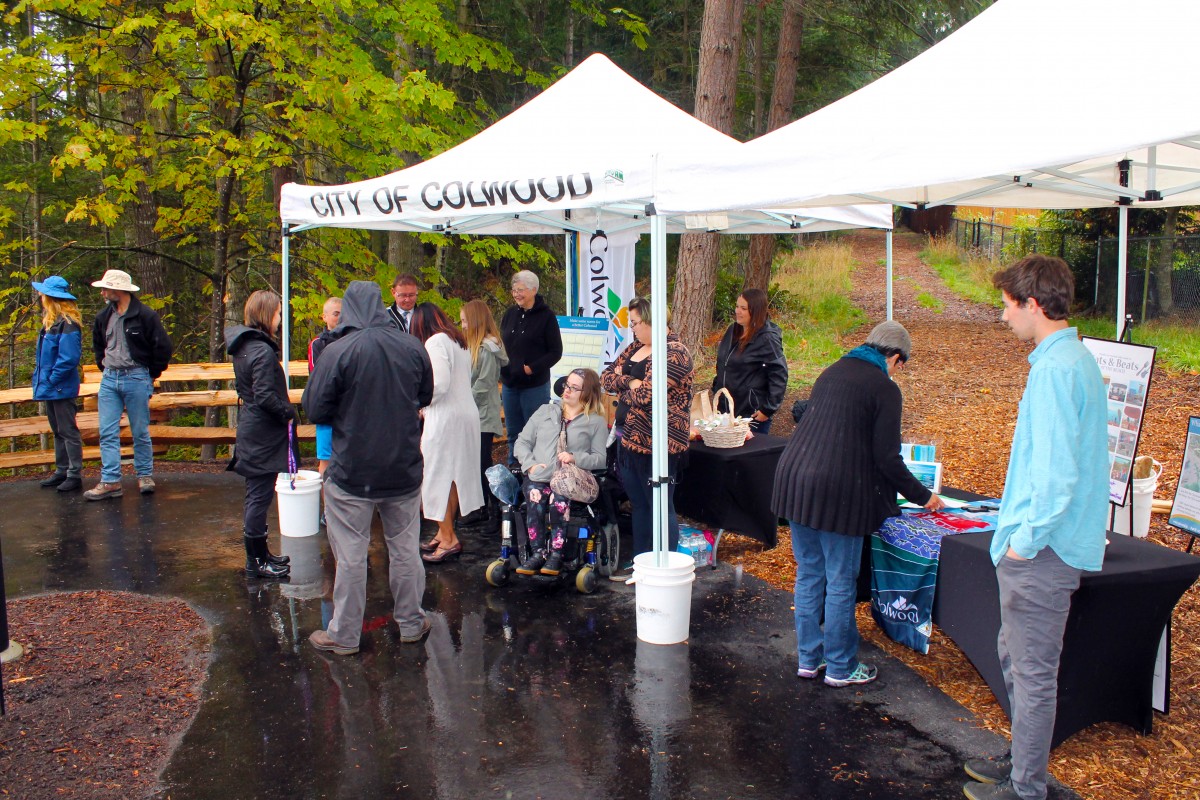
And Finally, we were invited as special guests at the ribbon cutting – the developer for Royal Bay was also in attendance and whether they knew it or not the intention was to show what the City would like emulated in the commercial development section of Royal Bay.

It was a rainy day for the grand opening of the food forest trail. Can you see us?

Despite not sitting on the Colwood Council – we influenced the whole of the council and staff and empowered them to employ integrated systems thinking that incorporated the 5 capitals in the decision making process.

Have you guessed what the five capitals are?

Social (relationships, governance, trust and hugs)

Financial (cash)

Natural (life, food, water, nature, habitat, carbon, soil, etc)

Manufactured (roads, buildings, trails, etc)

Human (skills, education)

How are you going to vote in this municipal election?

Please vote for literacy…especially in the Highlands.

Ann’s facebook page

Gord’s facebook page

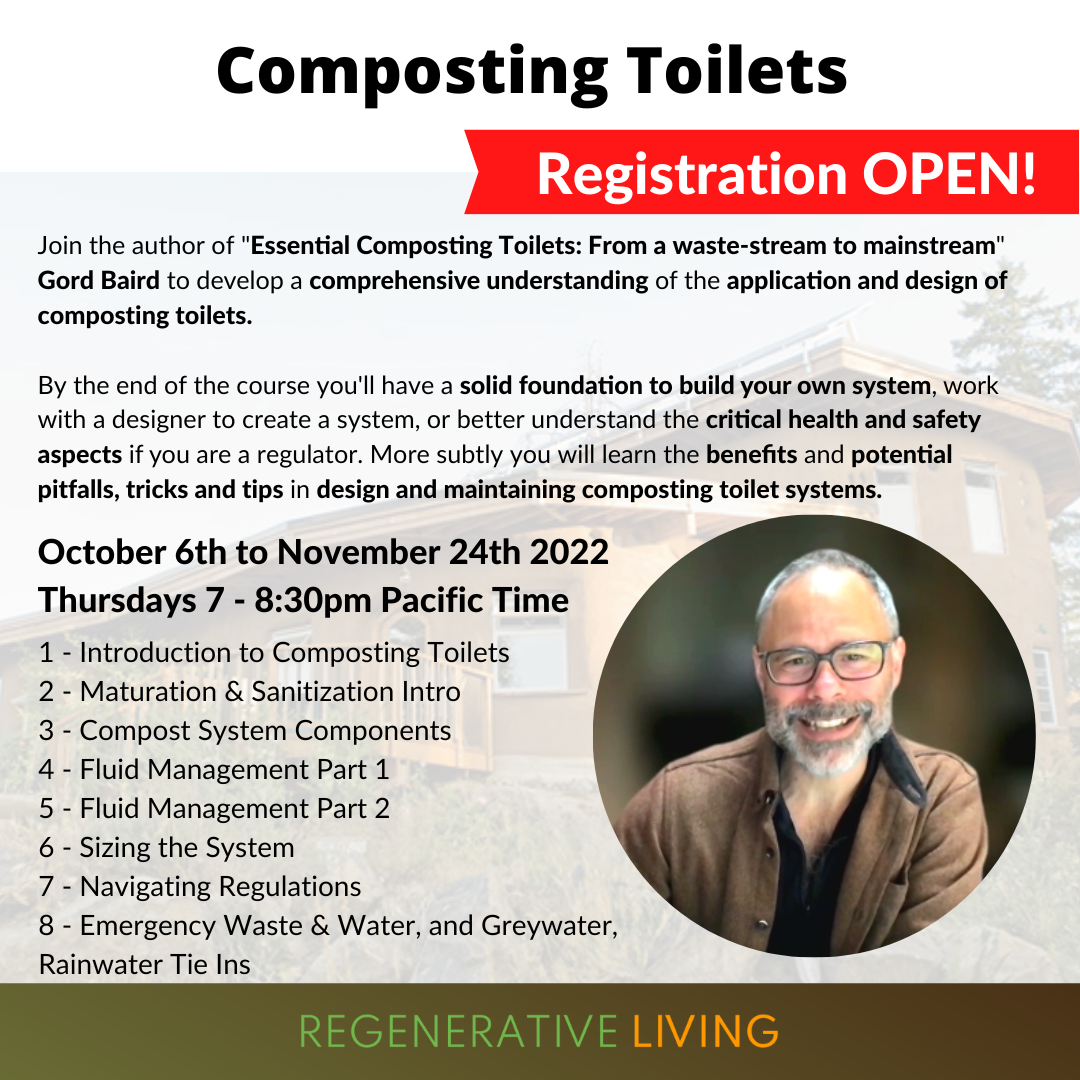
Compost Toilet Course – Registration Open


Enrol here – Early Bird pricing

For more than a century, mainstream society has been treating water and waste from human systems as necessary evils rather than a resource. Practices that were initiated in the Victorian Era continue to have wasteful and damaging consequences, and deny the opportunity to close the loop in our nutrient cycle, while attempts to address this through implementing compost toilets have often been stymied by rules and regulations.

However, this is starting to change. Compost toilets are making their way into regulations and standards in North America, being used in diverse settings from award winning commercial buildings to remote cabins.

But as we return to regenerative practices in how we manage our human ‘waste’, it’s important that we know how to do this effectively.

A well-designed and slickly-run compost toilet system is a tremendous asset, saving inhabitants huge amounts of water and creating an abundance of fertility. A poorly-designed or neglected compost toilet system can be a serious liability.

So what determines the type of toilet that will be the best fit for your context?

How can you get the necessary approval to install one?

And what’s involved in maintaining it once it’s up and running?

Join me (Gord) as your instructor this October to find out answers to these questions and many more. I am the co-author of ‘Essential Composting Toilets: From waste-stream to mainstream’, and my expertise on the subject sprung from experience of building our Eco-Sense homestead, a Petal Recognized Living Building Challenge project that includes net zero water and waste systems, located in the District of Highlands on Vancouver Island. I served as a technical editor to the Province of BC’s regulations on compost toilets and grey water, and have gone on to design and instal more than 30 residential systems.

Link for purchasing books: www.essentialcompostingtoilets.com

In this 8-session course, you can develop a comprehensive understanding of the application of composting toilets within the multiple contexts of health and safety, regulations, and navigating the sustainability goals within the constraints that exist in our culture.

By the end of the course you’ll have a solid foundation and great references to build your own system, work with a designer to create a system, or better understand the critical aspects from a health and safety perspective if you are a regulator. More subtly you will learn the benefits and potential pitfalls, tricks and tips in design and maintaining systems. I suspect your appetite will be wetted to participate in the next two workshop series on Grey Water and Rain Water Harvesting.

Enrol here – Early Bird pricing

Workshops and Classes, Family, Council, and more


Wasn’t that a late spring? Summer finally came however our gardens are easily a month behind – we are still awaiting that first tomato – its August! Fruit and nut set was poor except for the myrobalan plums (little yellow ones) and the abundant hazelnuts. The early grafting work for the nursery which is usually at a success rate of 90% was about 15%. Too cool too long. Our large delivery of hazelnuts will arrive in the nursery in time for the fall season starting in September.

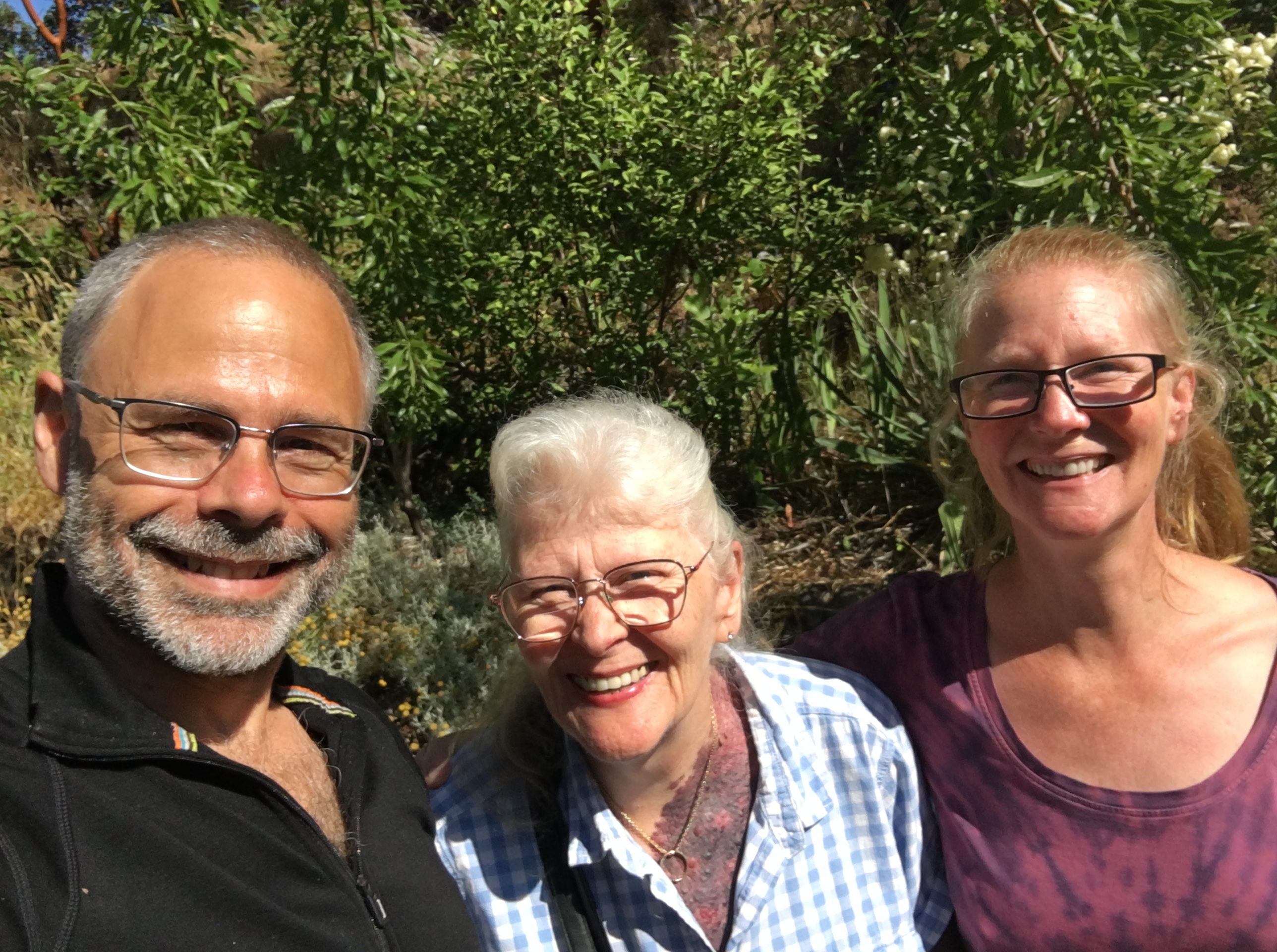
But summer did finally heat up this past week to 36 °C in the shade plus high humidity. It’s been downright tropical these days especially when Ann is having a hot flash. However, it’s been a far easier heat wave than last year when we hit 43°C and fruit boiled on the bushes and our Suntan apples only sported festering sunburns. Thankfully Ann’s mom was in town and stayed with us for an extended visit rather than returning home to bake in her Coquitlam home.

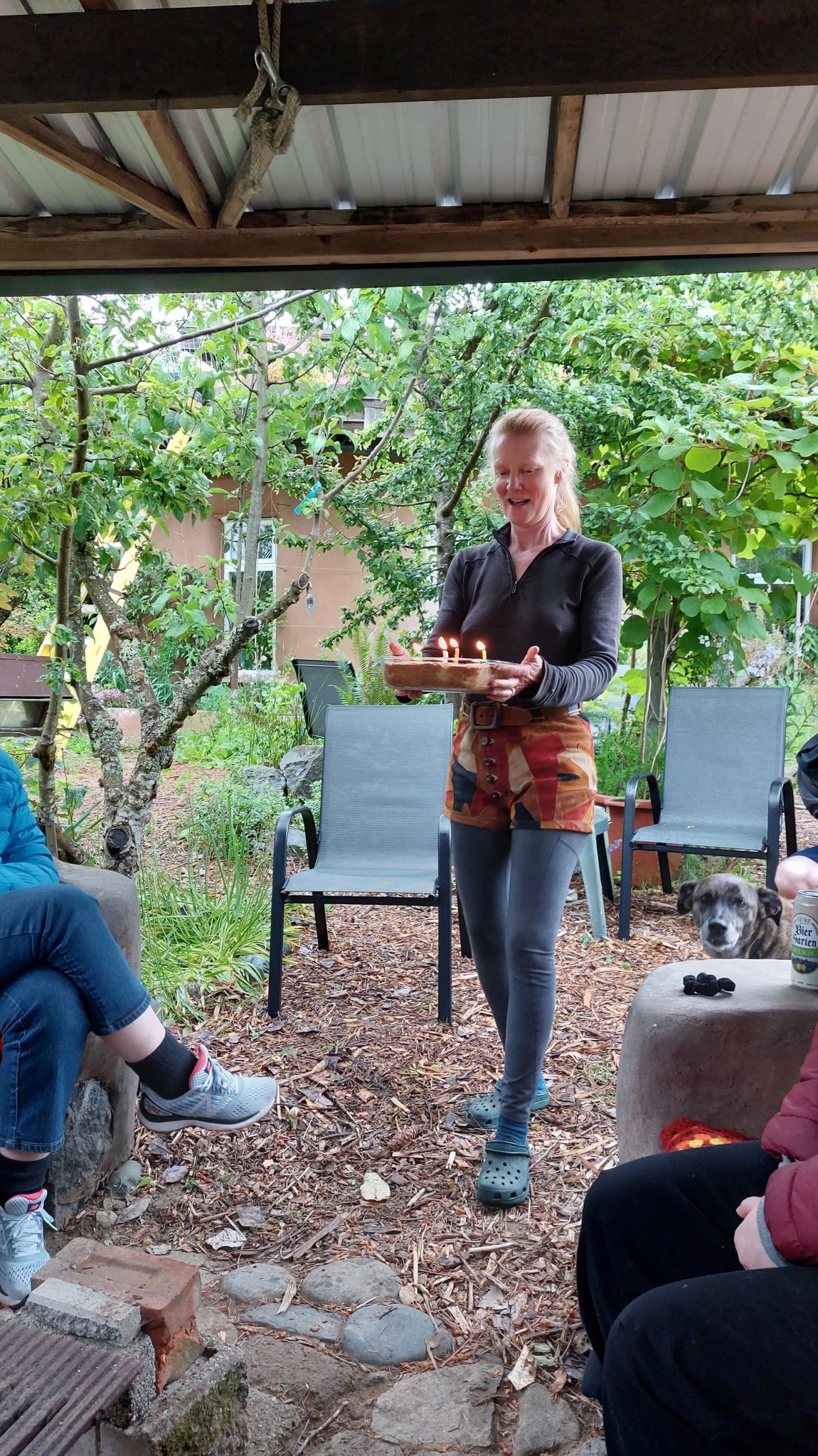
We also enjoyed a long awaited weekend with family from out of town and were able to scatter my dad’s ashes and celebrate my brother’s birthday. We met my newest great niece at almost 2 years old. We had a fantastic weekend. If you want to see our smiling faces check out this Vlog that my niece Katrina made. She does a very professional weekly Vlog. https://www.youtube.com/watch?v=HUNYmJM3_58&t=16s. 12 minutes of family, cats, goats, dog, chickens, little Elise, and Ann wearing her dad’s handmade leather Lederhosen.

Gord has been invited back to speak at the Master Gardeners Association biennial convention (Jan 2023) on the topic of the necessity for garden biodiversity in a changing climate. We have learned this first hand in our various garden systems that produce 100% of our fruit, veggies, dairy, eggs, chicken, and rabbits. Even in difficult years there is still abundance…just different menus.

Classy! My dad would be proud!

ECO-SENSE COURSES: There have been many emails over the past few years asking when our next workshops will be…so, after the long wait, we are making plans.

Four years ago we began ramping up the courses in the MUD ROOM and then COVID struck. Over the last two years we have not taught a class other than the odd grafting workshop. This is about to change.

Javan Bernakevitch, of All Points Design, has been pleasantly and persistently persuading Gord to develop a series of three online workshop series starting with an 8 session class on compost toilets, followed by a 4 session class on grey water, and a 4 session class on rainwater from October 2022 into June 2023.

Compost toilets are beginning to make their way into regulations and standards in North America and being used everywhere from award winning commercial buildings to remote cabins. One of the common requests we receive by email is “What type of toilet is best suited for my usage?” This is followed closely by “How do I get the approval to install one?” and our favourite, “Why does our building office say compost toilets are not permitted?”. In British Columbia, compost toilets are indeed legal!

The course objectives include developing a comprehensive understanding of the application of composting toilets within the multiple contexts of health and safety, regulations, appropriate toilet systems for varying applications and how to navigate goals associated with these systems within the constraints that exist in our culture.

By the end of the course you’ll have a solid foundation and confidence to choose and build your own system, work with a designer to create a system, better understand the critical aspects from a health and safety perspective, and understand regulatory systems if you are a policy maker, engineer, or local inspector. You will avoid potential pitfalls, learn tricks and tips in system design and maintenance, and even roll your eyes at some potty humour delivered in Gord style.

Waterless toilets can be very dry…but Gord and Javan guarantee

that the content will be juicy and this will be a course that will stick with you!

All students will require a copy of the book “Essential Composting Toilets: From Waste-stream to Mainstream”.  Copies can be purchased from us by mail (we will sign your copy), or purchased online through our book website at http://www.essentialcompostingtoilets.com.

Please let us know if you are interested at this link “INTERESTED List”

Discount price for adding your name to this list

Javan’s website with all the course details: https://docs.google.com/forms/d/e/1FAIpQLSeAZVUTIdyZKR3MCuXR4t0kVDaPHUBkNN4qW-j7Ompc3NZBbw/viewform

Municipal Elections – Will YOU run in the municipal election? Will we?

This is another question that is being asked of both of us these days as we move closer to the fall municipal elections. We have hemmed and hawed. Gord is hard to read, but he did just buy three new (recycled cotton) dress shirts. This last four years at the council table has been very unrewarding. It has been difficult to push forward on the topics of climate leadership, water stewardship, fiscal responsibility, and community engagement. It’s like pulling teeth to create policy to increase local resilience, support community well being, and protect our much loved Highlands. We are often on the losing end of important votes to the point where the joke has become that if we want to move something forward, we need to promote the opposite, and it may actually get done. We do think Highlands needs a change at the council table. The idea that the status quo is the best way forward no longer cuts it in today’s rapidly changing world.

Public Cob Bathroom

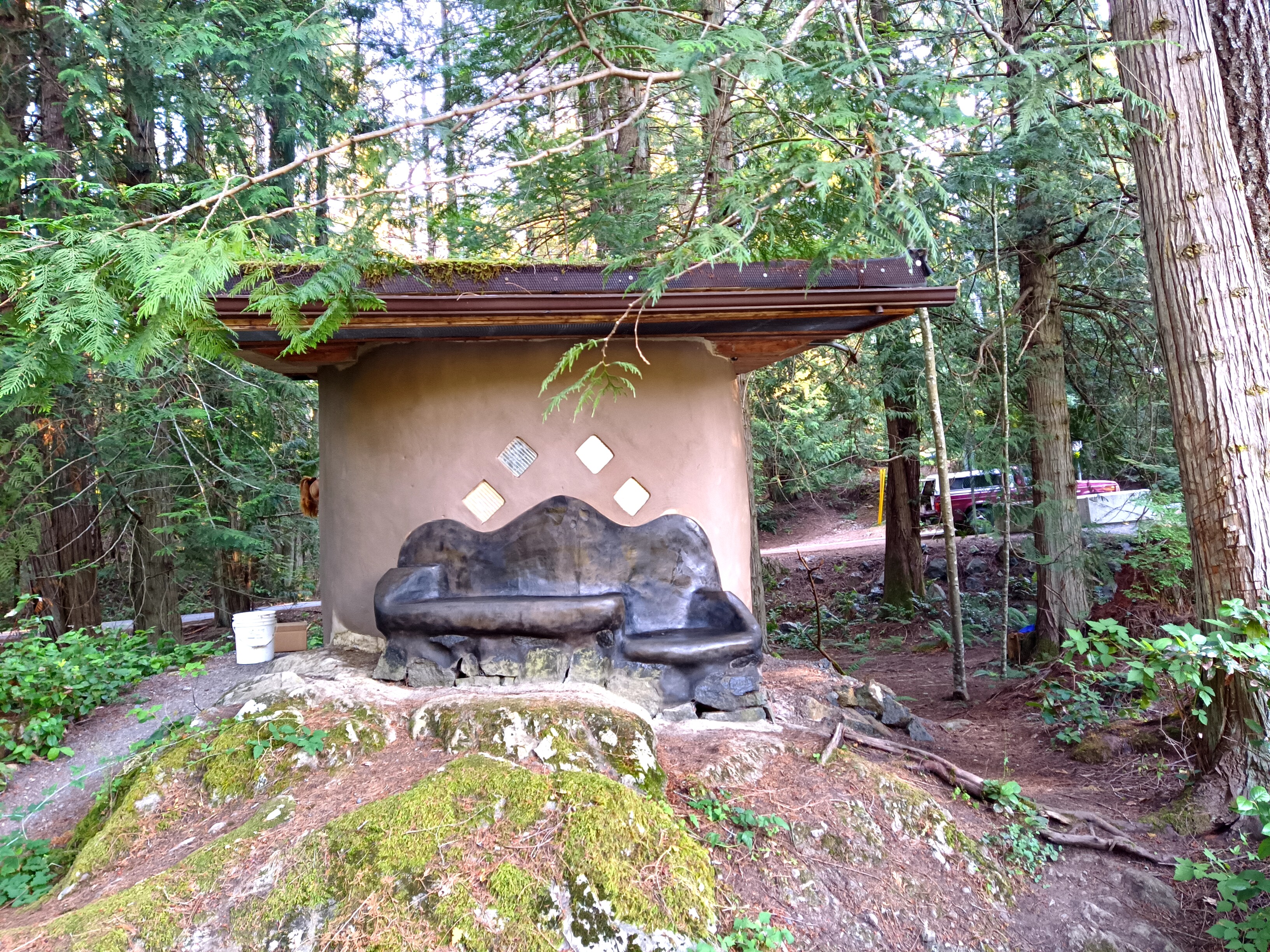
Now that we have learned methods to deal with Covid, and restrictions have lifted, the iconic local cob washroom is back in service. We had a neighbour reach out and offer to help cleaning which is great! The other day while repairing 2 years worth of penises carved into the clay, a 40+ year Highlands’ resident was by for an early morning walk. In her years as a resident she considers this decade old building a Highlands’ icon. This made us smile as we clay slipped, plastered, and sponged over the penises. Little bathroom is as good as new.

Can you see Ann’s red pony Tail? Hard at work 6:30 Am Sunday morning. This may be more value community work than running for council again…plastering over graffiti penises on the cob bathroom.

Take care everyone, and thanks for letting us know if you are interested in our Composting Toilet online workshop.

Ann and Gord

Time flies when you’re having fun


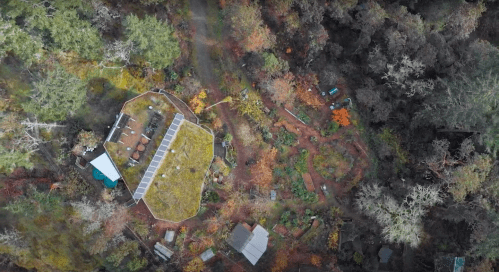
                   Drone photo from 2 years ago

We can’t believe it’s been almost a year since our last blog post. But just to assure everyone we are still ALIVE, WELL, and THRIVING, we thought we should do a quick newsy update.

As with everyone, the pandemic has changed our life…but not too much as we are most happy working from home. Our modest income comes from many different sources and we can easily adapt to changing conditions.  We have not done tours or workshops for ages but the nursery is steady, and Gord’s water consulting and potable rain water design work has taken off.  We have not sold many copies of our home supply of books, “Essential Composting Toilets”, but the sales through the publisher are steady.  www.essentialcompostingtoilets.com

With our 8th year on council, we continue to butt up against “the system” and status quo that is adverse to risk (and unable to understand the true risks) – some aspects we enjoy and some situations painfully frustrating. However, we continue to serve our community with energy and enthusiasm… via zoom. With fall 2022 being the year for municipal elections, both of us are putting our minds to whether we will each run again.

The gardens, nature, and all of the plants and animals continue to fill us with joy…and occasional sore backs.  At 53 and 55 we are slowing down…just a bit.

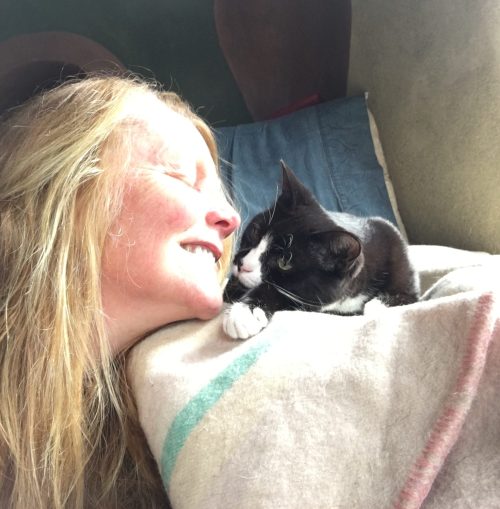
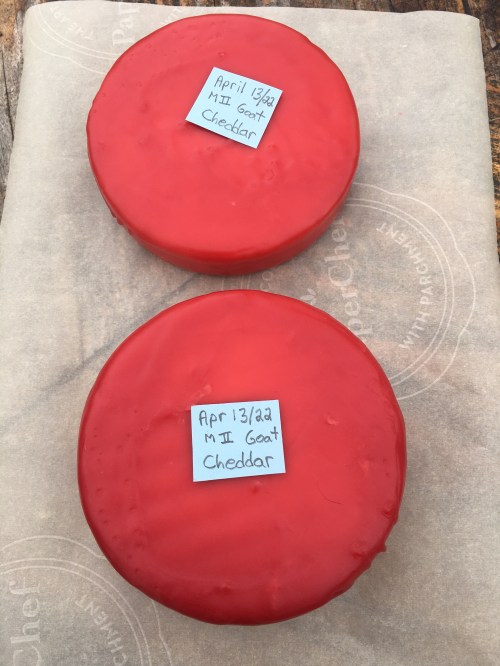
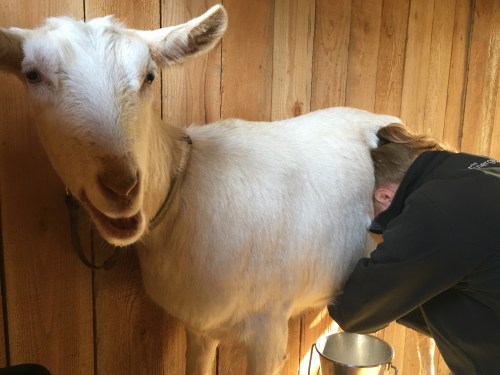
Our two goats, Gemma and Dabha, are thriving and giving us 2.5 litres of milk a day.  Enough for cheese, yogurt, frozen yogurt, and Gord’s milk addiction.  We milk twice a day together…Ann milks while Gord gets the food, water and hay and fends off the kittens from doing faceplants into the milk pail.

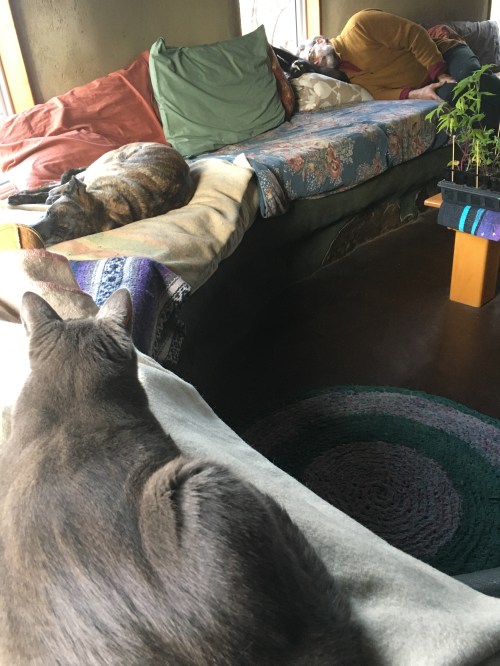
                                 Lazy morning

We have 12 chickens and 2 roosters with regular egg customers.  We have increased egg prices to $7.50/doz to at least cover the costs of our loved chickens.  

We cut up an old foam mattress and now have soft cushion under our older bones.  At some point we will get cushion covers sewn up (we’ll need a sewing machine for that along with a few date nights watching “how to sew” videos on YouTube).

Nina our nine year old dog brought us a rabbit she caught in the nursery yesterday.  We love curried rabbit.  The two kittens are now grown up and bringing us voles…woohoo.  We compost those when they are done eating/playing. Thankfully their daily routine means we do not find birds on our porch – our biggest fear in our decision to get cats.

We are busy adding more raised garden beds out of pet fencing and pieces of pond liner and are putting them on the living roof as well as replacing the decomposing wooden garden beds.

Our house has two large living roofs for sweet potatoes, potatoes, carrots, beets and other plants that voles love…no voles up there.  We could do without the snow though.  Sure has been a cold spring.  But, at least we are not getting hammered like Manitoba.

       Snowing on roof

 Birthday gifts: Air cast and my new digging tool made out of a leaf spring and teak handle.  I love it!  Thanks Gord!

The Nursery has been busy the past few years with more people taking up backyard and small farm gardening…and finding sanity in connecting with the soil, plants, and animals.  I have taken over more and more of the nursery with Gord’s focus on water systems.  However, this spring threw us a curve ball in the form of a neighbours dog wiping my legs out from under me.  Gord scooped me up and carried me all the way from the pond area up to the house.  I spent 6 hours on my 55th birthday sitting alone in emergency waiting for X-rays and a CT scan. I felt very lucky to have access to health care. I finally left with an air cast on my right foot and bone chips on the anterior process of the Calcaneus bone (heal bone).  Only slowed me down a bit.  Thank goodness for the eBike to take me up and down the hill.  (And thank goodness for Ann being slowed down a bit as I think I was able to finally catch her and give her a kiss).

Gord has been been subcontracted by an engineering firm for a couple projects – one being groundbreaking wherein he has designed  and filed a water system application to Island Health for an integrated potable rainwater/groundwater system for a school – a first in BC if approved.  Also his work as a consultant on developing a guidebook for commercial and multi-family residential  non-potable water re-use for Metro Vancouver (a 3 year project) has been rewarding – working under the direction of an exceptional consulting firm specializing in sustainable planning for communities.  The (legal) potable rainwater designs for residences continues.  Finall a long time friend, Javan, has coerced Gord into writing a series of online courses on rainwater, greywater, and compost toilets – stay tuned.

Spring Nursery Details:

Inventory list: https://drive.google.com/file/d/1j-GtX_ufCTWu8muXbCjqAYfc-cIP7WKl/view

Once again, all sales are by private appointment.  Send emails to ann@eco-sense.ca

Here’s some selected photos of what have…and check out the inventory list for the rest:
Happy Spring Everyone.